Guides · Vero Beach, Florida
Vero Beach Weather by Season: A Full Guide
**Vero Beach’s weather, like its history, runs on a rhythm of arrivals and departures — spring training brought the Dodgers here in 1948, and the seasons have been setting the town’s pace ever since.**
The Shape of the Year
Vero Beach sits on a barrier island and the mainland along the Indian River Lagoon, which means the Atlantic Ocean and the Intracoastal Waterway both have a say in the daily forecast. The climate is humid subtropical, with a twist: the sea breeze keeps summer afternoons from feeling like a closed oven, and winter nights can dip cool enough for a jacket, then climb back to short-sleeve warmth by noon.
The town’s population of 16,785 people (per the most recent census) skews older — the median age is 52.6 years — and the housing stock reflects that rhythm. Of 10,173 total housing units, 1,762 are held for seasonal or recreational use, and 2,805 sit vacant. Those numbers tell you what the weather already knows: this is a place built around the idea that certain months are for being here, and others are for waiting.
Spring: The Season That Named the Place
Spring is the season Vero Beach was built around. The Brooklyn Dodgers arrived in 1948 to train here, and the site — now the Jackie Robinson Training Complex, formerly Dodgertown — still carries that history. Robinson trained here when Florida was segregated, and the complex now bears his name after Major League Baseball took over the site on 2 January 2019. The Dodgers stayed until 2008, when they left for Glendale, but the calendar still turns on the same axis.
Spring weather is the reward for patience. March and April bring mild days, low humidity, and water temperatures that start to feel welcoming. The trade-off is that spring is also the windiest season, and the ocean can kick up a chop that keeps small boats at the dock. Locals know to check the marine forecast before planning a day on the water.
Summer: Heat, Storms, and the Daily Reset
Summer is the long season. From June through September, temperatures routinely push into the upper 80s and low 90s, with humidity that makes the air feel thick enough to swim through. The saving grace is the daily pattern: mornings start clear, clouds build by midday, and by late afternoon a thunderstorm rolls in off the coast, drops rain for an hour, and clears the air.
The storms are part of the deal. Lightning is common, and the downpours can flood low-lying streets for a short time. But the rain is also what keeps the landscape green — the palmettos, the live oaks, the citrus groves that gave the Indian River its name as a fruit brand as much as a place. The citrus industry has been badly hurt in recent years by greening disease, but the groves that remain still shape the view along the county roads.
Summer is also hurricane season. The official window runs from June 1 through November 30, and Vero Beach has seen its share of close calls. The town’s position on the east coast means storms can approach from the Atlantic or cross the state from the Gulf. Residents keep an eye on the tropics the way other towns watch the stock market.
Autumn: The Quiet Reset
Autumn is the underrated season. September still carries summer’s heat, but by October the humidity drops, the afternoon storms become less frequent, and the water stays warm well into November. The crowds thin out, the seasonal residents have mostly gone home, and the town settles into a slower pace.
This is the season for fishing, for long walks on the beach without the summer crowd, and for watching the light change over the lagoon. The median home value here is $392,500, and the median household income is $67,351 — numbers that suggest a comfortable, settled place. The unemployment rate is 2.9 percent, and 38.6 percent of residents hold a bachelor’s degree or higher. Autumn is when those numbers feel most real: the town is quiet, but not empty.
Winter: Mild, Bright, and Busy
Winter is the second peak season. From December through February, daytime highs typically land in the 70s, with occasional cold snaps that bring overnight lows in the 40s. It’s not tropical — but compared to most of the country, it’s a reprieve. The seasonal residents return, the golf courses fill up, and the restaurants and shops along the barrier island see their busiest months.
The cold snaps are real, though. A strong front can drop temperatures by 20 degrees in a day, and citrus growers watch the forecasts with a particular dread — a hard freeze can damage a crop that’s already under pressure from greening disease. For visitors, the advice is simple: pack layers.
Beyond the Beach
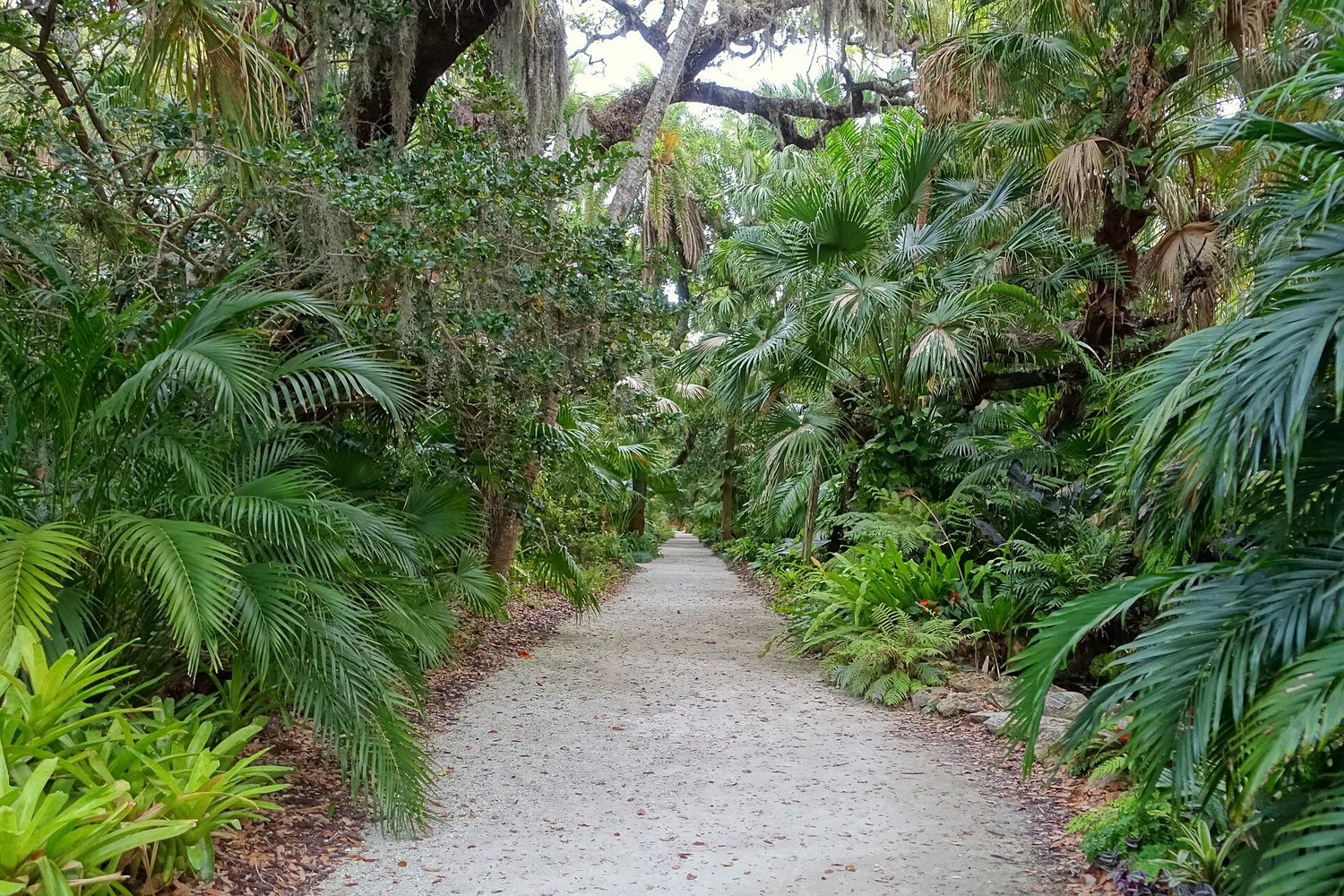
When the weather cooperates, there’s more to the town than the shoreline. McKee Botanical Garden is listed on the National Register of Historic Places, and it offers a different kind of Florida — one of water lilies, bamboo groves, and native hammocks, best visited in the cooler months when the walking is comfortable.
For day trips, the nearby towns we cover offer their own seasonal rhythms. Sebastian is 11 miles north and hosts the Sebastian Clambake Lagoon Festival. Stuart is 33 miles south and runs the Stuart Boat Show. Okeechobee is 41 miles west and holds the Speckled Perch Festival and Parade. Farther afield, Oviedo (89 miles) has Great Day in the Country, Altamonte Springs (98 miles) has Red Hot & Boom, and Sanford (100 miles) has Sanford Porchfest.
The Bottom Line
Vero Beach’s weather is a calendar in itself. Spring brings the baseball history and the first warm days. Summer brings heat, storms, and the daily reset. Autumn brings quiet. Winter brings the snowbirds back. The town was chartered on 10 June 1919 with 71 residents, and renamed Vero Beach on 19 May 1925 when it became the seat of the newly formed Indian River County — and the name itself has no consensus origin, just theories. The weather, at least, is easier to pin down.
Common questions
- When did the Dodgers train in Vero Beach?
- The Brooklyn and then Los Angeles Dodgers trained here from 1948 until they left for Glendale in 2008. The site became the Jackie Robinson Training Complex under Major League Baseball on 2 January 2019.
- Is Vero Beach a good place to visit in winter?
- Yes, winter is prime season here. The median age is 52.6, and 1,762 of 10,173 housing units are for seasonal use, so you'll find a quiet, warm escape. Citrus history runs deep, though greening disease has hurt the industry.
- What's the story behind Jackie Robinson and Vero Beach?
- Robinson trained here when Florida was segregated, breaking barriers at what became Dodgertown. The complex now carries his name, renamed the Jackie Robinson Training Complex on 2 January 2019, a lasting tribute to his legacy in spring training.
- How far is Vero Beach from other towns?
- Sebastian is 11 miles away, Stuart 33 miles, and Okeechobee 41 miles. For day trips, Oviedo is 89 miles, Altamonte Springs 98, and Sanford 100. Each has its own annual events like the Sebastian Clambake Lagoon Festival or Sanford Porchfest.
- What's the unemployment rate and cost of living in Vero Beach?
- Unemployment is low at 2.9 percent, and median household income is $67,351. Median home value runs $392,500, with median gross rent at $1,197. About 38.6 percent of residents hold a bachelor's degree or higher.
- Are there any historic sites in Vero Beach?
- Yes, McKee Botanical Garden is listed on the National Register of Historic Places. Also, the Jackie Robinson Training Complex, formerly Dodgertown, is a historic spring training site where Robinson trained during segregation. Vero Beach itself was chartered in 1919.
Every business named above is one we hold a listing for, and every date traces to a source on our sources page. We do not describe menus, interiors or service we have not verified. Details change — confirm before you travel.