Guides · Vero Beach, Florida
Vero Beach Hurricane Season: What to Expect & How to Visit
Vero Beach’s summer is a study in contradictions: the sky goes from glass-flat to gunmetal in an afternoon, and the town that once housed Jackie Robinson’s spring training now braces for the season that gives the Atlantic its temper.
The Name and the Place
Vero was chartered on 10 June 1919 with 71 residents, and it carried that name for barely six years before becoming Vero Beach on 19 May 1925, when it was made the seat of the newly formed Indian River County. Why “Vero”? There are many theories and no consensus—which suits a town that has never needed a single origin story to hold its ground.
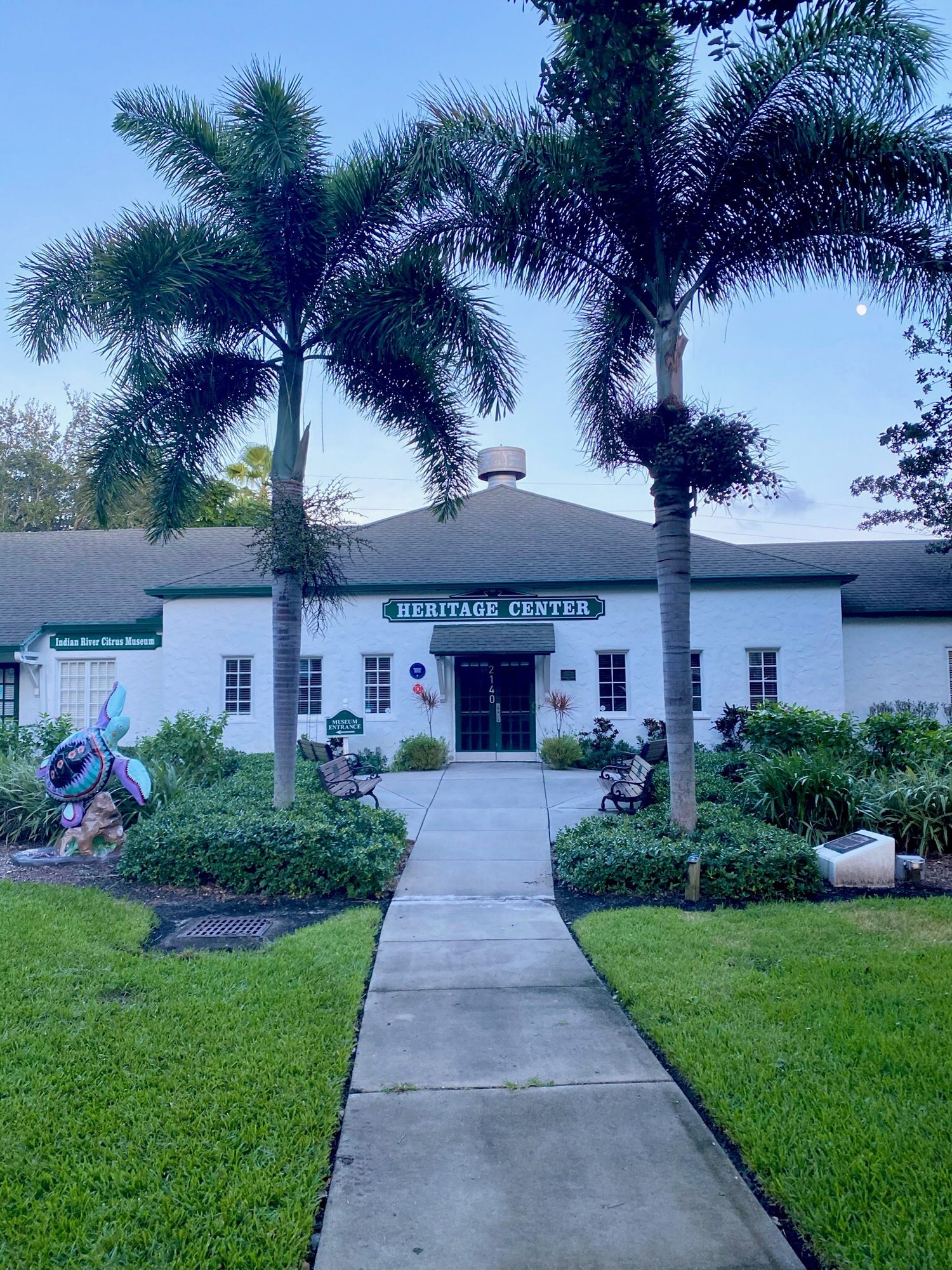
The Indian River name is a fruit brand as much as a place. Citrus built this stretch of coast, and the groves still define the horizon, though the industry has been badly hurt in recent years by citrus greening disease. Hurricane season adds another layer of uncertainty to an already fragile crop.
The Complex That Carries a Name
The Brooklyn and then Los Angeles Dodgers trained here from 1948 until they left for Glendale in 2008. That is sixty seasons of baseball in one place, longer than most franchises stay anywhere. Robinson trained here when Florida was segregated—when the team’s spring home was a rare patch of ground where a Black man could walk the same clubhouse corridors as his white teammates, even if the town around it still drew lines.
The site became the Jackie Robinson Training Complex under Major League Baseball on 2 January 2019. The name matters. It is not a rebrand; it is a correction. The complex, formerly Dodgertown, now tells the truth about what happened there.
What the Numbers Say
The census gives a portrait of a town that is older, quieter, and more seasonal than the Florida stereotype. The population sits at 16,785 people, with a median age of 52.6 years. That is not a college town. That is a place where people come to slow down.
- Total housing units: 10,173
- Homes held for seasonal or recreational use: 1,762
- Vacant housing units: 2,805
- Median household income: $67,351
- Median home value: $392,500
- Median gross rent: $1,197
- Bachelor’s degree or higher: 38.6 percent
- Unemployment rate: 2.9 percent
The vacancy number is the one to watch in hurricane season. More than a quarter of the housing stock sits empty for much of the year, which means a storm that makes landfall here is not just damaging roofs—it is hitting a town that is already partly unoccupied. The seasonal homes are the first to board up and the last to come back.
What Hurricane Season Actually Means Here
Vero Beach sits on the Atlantic side of the peninsula, which means it takes the first punch from most storms that come off the water. The evacuation routes are straightforward—west on State Road 60, then north or south on the Turnpike—but the math is less simple. With 2,805 vacant units, a storm does not just displace the people who live here; it also delays the return of the people who own the empty ones.
The median home value of $392,500 is not beachfront luxury. It is the price of a modest concrete-block house with a tile roof, which is the standard build for a reason. These homes are designed to take a beating. The older ones, from the 1950s and 1960s, predate modern building codes, and those are the ones that worry the insurers.
Beyond the Beach
When the weather is clear, McKee Botanical Garden is the counterweight to all that salt air. Listed on the National Register of Historic Places, it is a quiet, shaded walk through native and exotic plantings—a place to sit out the heat of the afternoon. It is not a hidden gem; it is a known quantity, and it is worth the admission.
For a day trip, the nearby towns offer their own rhythms. Sebastian is 11 miles north, home of the Sebastian Clambake Lagoon Festival. Stuart is 33 miles south, where the Stuart Boat Show draws the weekend crowd. Okeechobee is 41 miles west, and its Speckled Perch Festival and Parade is a different kind of Florida—cracker cattle country, not citrus coast.
The Bottom Line
Vero Beach in hurricane season is a gamble with good odds. The town is built for the weather, the people know the drill, and the history is deep enough to survive any storm. But the vacancy numbers are a reminder: this is a place that is only half awake for much of the year. Come for the baseball history, stay for the quiet, and keep an eye on the horizon.
Common questions
- Is Vero Beach safe to visit during hurricane season?
- Hurricane season runs June through November, but Vero Beach's location on Florida's east coast means storms can hit. Check forecasts, have a flexible plan, and know your hotel's evacuation policy. The town itself is low-lying, so heed local warnings.
- What is there to do in Vero Beach if it rains during my trip?
- Head to McKee Botanical Garden, listed on the National Register of Historic Places, for a lush indoor-outdoor experience. Or explore the Jackie Robinson Training Complex, where the Dodgers trained from 1948 to 2008. Both offer shelter from a passing shower.
- Can I visit the old Dodgertown stadium?
- Yes. The site is now the Jackie Robinson Training Complex, renamed in 2019. Robinson trained here when Florida was segregated, and the complex honors his legacy. You can walk the fields and see the history, though it's an active facility, so check access hours.
- What's the town like in terms of size and demographics?
- Vero Beach has about 16,785 residents, with a median age of 52.6. Housing units total 10,173, but 2,805 are vacant, and 1,762 are seasonal—so it's a quiet, retiree-heavy town. The unemployment rate is just 2.9%, and median household income is $67,351.
- Are there any day trips from Vero Beach if the weather clears?
- Sebastian, 11 miles north, hosts the Clambake Lagoon Festival. Stuart, 33 miles south, has the Boat Show. Okeechobee, 41 miles west, offers the Speckled Perch Festival. All are easy drives for a break from the coast.
- How has citrus greening affected the area's groves?
- Citrus greening has badly hurt the Indian River citrus industry in recent years. The Indian River name is a fruit brand as much as a place, but many groves are struggling. You'll still see the legacy in local markets, but don't expect the vast orchards of decades past.
Every business named above is one we hold a listing for, and every date traces to a source on our sources page. We do not describe menus, interiors or service we have not verified. Details change — confirm before you travel.