Guides · Vero Beach, Florida
Vero Beach by the Numbers: What the Census Says
Jackie Robinson took his first spring-training ground ball on this soil in 1948, when Vero Beach was a small, segregated citrus town. The census numbers tell a different story now, but the echoes are still in the dirt.
The Town That Outgrew Its Own Name
Vero Beach was chartered on 10 June 1919 with 71 residents. Five years later, on 19 May 1925, it became Vero Beach and the seat of the newly formed Indian River County. The name itself is a mystery—there are many theories about where "Vero" came from, and no consensus among them. That ambiguity suits the place. It has always been easier to say what Vero Beach is near than what it is.
The census counts 16,785 people here. That is not a big number. But the median age is 52.6 years, which tells you everything about the pace of the sidewalks and the patience at the stop signs. This is a town built for second acts, not first drafts.
The Seasonal Math
Of the 10,173 housing units in Vero Beach, 1,762 are held for seasonal or recreational use. Another 2,805 sit vacant. Add those together and you get 4,567 units—nearly 45 percent of the housing stock—that are not someone’s year-round address.
That is the snowbird ledger, and it shapes the town more than any single building. The streets are wider in summer. The restaurants turn their specials boards toward the regulars. The census counts people in April, which means the 16,785 figure catches the tail end of the season. The real year-round number is lower, and the real winter number is much higher.
The Dodgers understood this rhythm. They trained here from 1948 until they left for Glendale in 2008—sixty springs of baseball in a town that emptied out every June. When they left, the complex sat quiet until Major League Baseball took it over and renamed it the Jackie Robinson Training Complex on 2 January 2019. The name matters. Robinson broke in here when Florida was segregated, when the hotel doors were closed and the ballpark was the only integrated room in town.
The Money and the Education
Median household income is $67,351. That is not wealthy by coastal Florida standards, but it is comfortable. The unemployment rate is 2.9 percent, which is effectively full employment for a town this size.
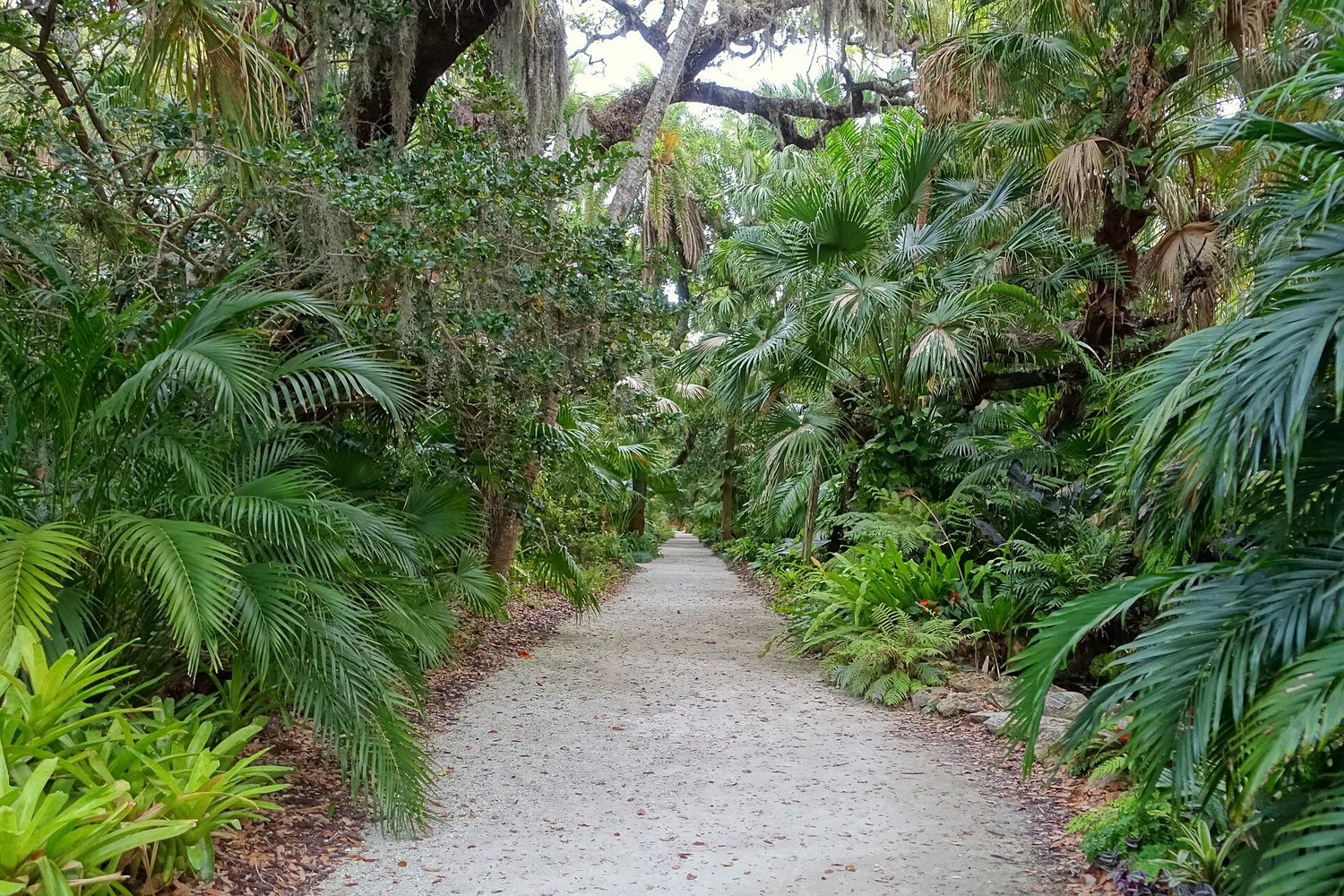
The striking number is education: 38.6 percent of residents hold a bachelor’s degree or higher. That is well above the national average, and it shows up in the civic life. The McKee Botanical Garden, listed on the National Register of Historic Places, is not a roadside attraction. It is a serious horticultural collection with a serious membership. The library is busy. The lecture halls fill up.
The median home value is $392,500. That is the number that separates the permanent residents from the seasonal ones. A house in Vero Beach costs more than the local income can easily support, which is why so many homes sit empty for eight months a year. The people who live here year-round either bought decades ago or rent.
Median gross rent is $1,197. That is modest for the region, but it is not cheap for a town where the median age is 52.6 and the workforce skews toward service jobs. The rent tells you the gap between the seasonal economy and the permanent one. The houses are worth $392,500. The apartments rent for $1,197. Those two numbers do not reconcile easily, and they are not supposed to.
The Citrus Arithmetic
The Indian River name is a fruit brand as much as a place. The citrus industry built this town, and it has been badly hurt in recent years by citrus greening disease. The groves that used to run to the water’s edge are now subdivisions or fallow fields. The packing houses are mostly gone. The fruit still carries the name, but the volume does not.
That decline is part of why the numbers look the way they do. The jobs that citrus provided were year-round and local. The jobs that replaced them—retail, healthcare, hospitality—are seasonal or commuter-based. The median age of 52.6 reflects that shift. Young people leave for Orlando or Tampa or Miami. Retirees move in because the taxes are low and the golf is good.
What the Numbers Don’t Say
The census does not count the feeling of a February morning when the air is cool and the ballfield is freshly cut. It does not count the fact that Robinson’s first spring here was met with hostility from other teams and towns, only to end with him breaking the color barrier in the majors. It does not count the way the complex—still called Dodgertown by everyone over 50—now hosts youth tournaments and amateur leagues, a quieter kind of history.
The 16,785 people in the census are the ones who filled out the form. The other thousands are the ghosts of sixty springs, the snowbirds, the citrus pickers, the ballplayers who came and went. Vero Beach is a town of 16,785 year-round residents and about 4,500 empty rooms. The emptiness is not a flaw. It is the shape of the place.
The numbers hold steady. The town holds still. The name remains a mystery, and the history remains in the ground.
Every business named above is one we hold a listing for, and every date traces to a source on our sources page. We do not describe menus, interiors or service we have not verified. Details change — confirm before you travel.