Guides · Vero Beach, Florida
Why Vero Beach Is Where It Is
The city charter came in 1919, when 71 people lived here. The name changed in 1925, when Indian River County was carved out and Vero Beach became its seat. The rest is a long argument about what to call the place, and a longer one about what the place is for.
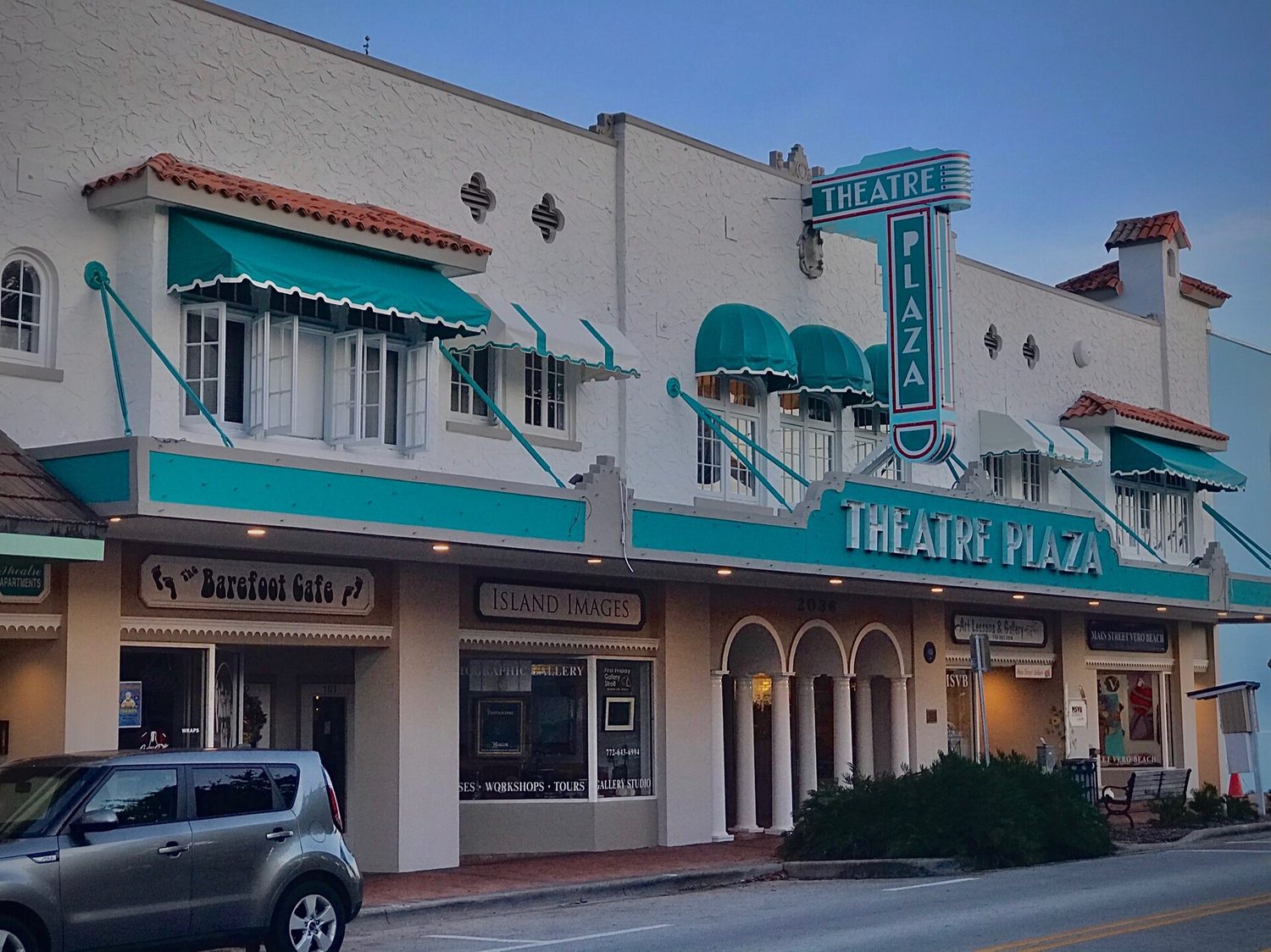
The Name That Nobody Agrees On
Ask anyone why it’s called Vero, and you’ll get a theory. Spanish for “truth.” A corruption of a settler’s name. A railroad surveyor’s whim. A woman’s name, misspelled on a map. The record holds no consensus, only a stack of stories that don’t line up. We like it that way. A town that can’t settle its own origin story has room for other arguments.
What we do know: the charter came 10 June 1919, with 71 residents. Six years later, on 19 May 1925, the town became Vero Beach, seat of the newly formed Indian River County. That river name is a brand as much as a waterway. The Indian River citrus label traveled farther than the fruit ever did. The industry has been badly hurt in recent years by citrus greening disease, and the groves are thinner now. But the name still carries weight.
The Ballpark That Changed the Town
The Dodgers arrived in 1948. Brooklyn then, Los Angeles later. They trained here for sixty seasons, until they left for Glendale in 2008. That run is the spine of the town’s modern story, and it starts with Jackie Robinson.
Robinson trained here when Florida was segregated. The ballpark was integrated before much of the town was. That fact is not a footnote; it is the point. The complex that carried the Dodgertown name for decades was renamed on 2 January 2019, when Major League Baseball took it over as the Jackie Robinson Training Complex. The old name is gone. The history is not.
We do not use the old mark as a brand. We use the story as a fact. A man broke a color line in Brooklyn, then came south to a spring training camp that had to decide what it was. The camp chose. The town watched.
What the Numbers Say Now
The census gives us a portrait. Population: 16,785. Median age: 52.6. That is a town past its first act, comfortable in the second. Median household income sits at $67,351. The unemployment rate is 2.9 percent, which is low by any standard.
Housing tells a sharper story. There are 10,173 total units. Of those, 2,805 are vacant. And 1,762 are held for seasonal or recreational use. That is not a town emptying out. That is a town that fills up when the season calls. The median home value is $392,500. Median gross rent is $1,197. A place with that gap between ownership and rental costs is a place where people stay, or come back to.
Education holds up: 38.6 percent of residents hold a bachelor’s degree or higher. That is not a college town. That is a town of people who left somewhere else and brought their diplomas with them.
The Shape of the Place
You can read the town through its landmarks. The Jackie Robinson Training Complex is the big one, still drawing players and visitors. The other anchor is McKee Botanical Garden, listed on the National Register of Historic Places. One is about motion, grass and dirt and basepaths. The other is about stillness, planted things, paths you walk slowly. Together they bracket the town’s temperament.
We are not going to call this a hidden gem. It is not. It is a town on the Atlantic coast of Florida with a baseball history that is nationally significant and a botanical garden that is officially historic. The secrets here are not hidden. They are just not shouted.
The Long View
Sixty seasons of spring training. A name change in 1925. A charter in 1919. A disease that took the citrus. A complex renamed in 2019. The town keeps adjusting, keeps renaming itself, keeps finding new ways to explain what it is.
The theories about the name Vero have never been settled. That is fine. A town that has spent a century arguing about its own name is a town that cares about getting things right. The Dodgers knew it. Robinson knew it. The players who come through the complex now know it.
Vero Beach is where it is because of the river, the citrus, the ballpark, and the people who stayed. The name is just the argument that holds it all together.
Every business named above is one we hold a listing for, and every date traces to a source on our sources page. We do not describe menus, interiors or service we have not verified. Details change — confirm before you travel.