Guides · Vero Beach, Florida
What People Get Wrong About Vero Beach, FL
Vero Beach’s history runs deeper than its beaches. Spring training, segregation, citrus, a seasonal economy—all of it left a mark. The town’s character is far more specific than the generic Florida postcard suggests.
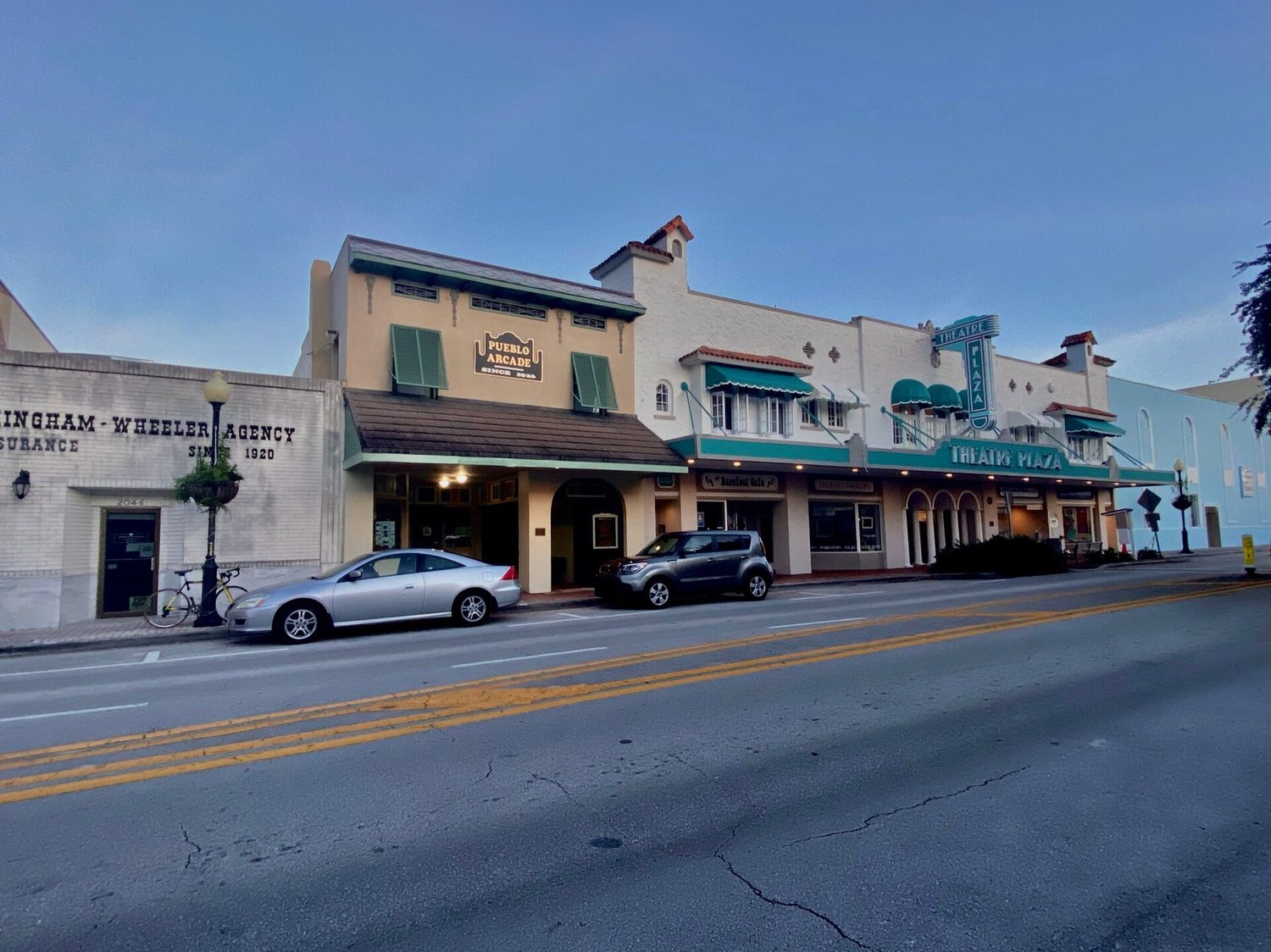
Why Vero Beach's Name Has No Clear Origin
Ask why Vero Beach is called that, and you'll get theories—a Spanish word, a settler's name, a railroad official's whim. No consensus. The town was chartered on 10 June 1919 with 71 residents, and renamed Vero Beach on 19 May 1925 when it became the seat of the newly formed Indian River County. The origin of "Vero" is simply unknown. That ambiguity is part of the place. It's not a puzzle to crack; it's a name that arrived with the town and stayed, untraceable and unbothered.
How Spring Training Shaped Vero Beach's Identity
The Dodgers trained here from 1948 until they left for Glendale in 2008. Sixty seasons of baseball in one spot. The impact on Vero Beach goes beyond the diamond. The complex that once carried the Dodgertown name became the Jackie Robinson Training Complex under Major League Baseball on 2 January 2019. Robinson trained here when Florida was segregated—his presence was not just a footnote in sports history but a moment in the larger story of the South. The site's current name matters: it honors that legacy rather than just the club that played there.
Indian River Citrus: A Struggling Legacy in Vero Beach
The Indian River is a county, a waterway, and a fruit brand all at once. That citrus identity has been central to the region, but the industry has been badly hurt in recent years by citrus greening disease. The groves that once defined the landscape are thinner. The economy has had to adjust. The name still carries weight in the produce aisle, but the reality on the ground is a struggling industry, not a thriving one.
Vero Beach's Seasonal Rhythm: What the Census Reveals
The census data tells the story: median age 52.6, 1,762 of 10,173 housing units held for seasonal or recreational use, and 2,805 vacant units. That's roughly 17% seasonal and 28% vacant—numbers that reflect a town whose rhythms follow the snowbird calendar. Vero Beach is quieter outside peak season. Commerce, housing, and daily pace all shift accordingly. It's not a ghost town, but it's a place that swells and contracts with the weather up north.
Vero Beach's Demographics: More Educated and Affluent Than You Think
The "just a beach town" image doesn't hold up against the numbers. 38.6% of residents hold a bachelor's degree or higher. Median household income: $67,351. Median home value: $392,500. Unemployment sits at 2.9%. This is a professional and wealthy demographic, not just retirees shuffling to the shore. The town has a solid economic base that goes beyond tourism and sunsets.
Beyond the Beach: Gardens and Festivals Near Vero Beach
McKee Botanical Garden, listed on the National Register of Historic Places, offers a cultural anchor that has nothing to do with sand. And for those willing to drive a bit, the region rounds out with events in nearby towns: Sebastian's Clambake Lagoon Festival (11 miles), Stuart's Boat Show (33 miles), Okeechobee's Speckled Perch Festival and Parade (41 miles), and further afield, Oviedo's Great Day in the Country (89 miles), Altamonte Springs' Red Hot & Boom (98 miles), and Sanford's Porchfest (100 miles). The area has more going on than a single town can hold.
Vero Beach by the Numbers
| Statistic | Value |
|---|---|
| Population | 16,785 |
| Median age | 52.6 years |
| Total housing units | 10,173 |
| Seasonal/recreational homes | 1,762 |
| Vacant housing units | 2,805 |
| Bachelor's degree or higher | 38.6% |
| Median household income | $67,351 |
| Median home value | $392,500 |
| Median gross rent | $1,197 |
| Unemployment rate | 2.9% |
Vero Beach isn't a mystery to be solved or a stereotype to be confirmed. It's a town with a specific history—baseball, segregation, citrus, and a seasonal economy—that has shaped what it is today. The name may be untraceable. The place is not.
Common questions
- Why is Vero Beach called the place where spring started?
- The Brooklyn Dodgers began training here in 1948, when Florida was still segregated. Jackie Robinson trained on these fields, breaking barriers. That history is why the complex now bears his name, marking Vero as a true starting point for spring baseball.
- Is Dodgertown still there or did they tear it down?
- The complex is still there, but it's no longer Dodgertown. The Dodgers left for Glendale in 2008. On January 2, 2019, Major League Baseball renamed it the Jackie Robinson Training Complex, keeping the historic site alive for future players.
- What's the deal with the name Vero Beach?
- No one knows for sure. The town was chartered as Vero on June 10, 1919, with just 71 residents, then renamed Vero Beach on May 19, 1925, when it became the Indian River County seat. Theories abound, but there's no consensus.
- Is Vero Beach mostly old people or families?
- The median age is 52.6 years, so it leans older. Population is 16,785, with 1,762 homes held for seasonal or recreational use out of 10,173 total housing units. It's a quiet, retiree-friendly spot, not a spring-break party town.
- What is there to do besides the beach?
- Check out McKee Botanical Garden, listed on the National Register of Historic Places. For day trips, Sebastian is 11 miles away with the Clambake Lagoon Festival, and Stuart is 33 miles for the Boat Show. Okeechobee, 41 miles, has the Speckled Perch Festival.
- How expensive is it to live or visit here?
- Median home value is $392,500, and median gross rent is $1,197. Median household income is $67,351, with unemployment at just 2.9 percent. About 38.6 percent of residents hold a bachelor's degree or higher. It's not cheap, but it's not Miami either.
Every business named above is one we hold a listing for, and every date traces to a source on our sources page. We do not describe menus, interiors or service we have not verified. Details change — confirm before you travel.